


Barbell Rack Pull
A partial deadlift pulled from a raised pin position — heavy back loading without the demand of a full lift from the floor.
- Main muscle
- Lower back
- Also works
- Glute maxHamstringsTrapsFlexorsLats
- What you need
- Barbell
- Level
- Beginner
The barbell rack pull is a partial deadlift performed from pins set around knee height. By starting from a higher position, the lifter can load more weight than a full deadlift and focus tension on the upper back, traps, and lockout strength. It's a favorite accessory for building mid-back thickness and breaking through deadlift sticking points.
How to do it
- 1Set the safety pins in a rack at about knee height and load the bar to your working weight.
- 2Stand with feet hip-width apart, bar over mid-foot, and grip just outside the knees.
- 3Pull the slack out of the bar, brace the core, and pull the chest up tall with a flat back.
- 4Drive the floor away with your legs while keeping the bar dragging close to your thighs.
- 5Stand fully tall by squeezing the glutes and locking out the hips and knees together.
- 6Lower the bar back to the pins under control, reset your breath, and repeat for clean reps.
Common mistakes
- Setting the pins too low or too high, which removes the partial-lift benefit and risks form breakdown.
- Rounding the upper back hard to grind the rep, which strains the spine under heavy load.
- Hyperextending at the top instead of finishing with a tight glute squeeze and stacked rib cage.
- Bouncing the bar off the pins and using momentum instead of resetting between reps.
Why do it
- Builds upper-back and trap thickness with heavier loads than full deadlifts.
- Strengthens the deadlift lockout for stronger pulls overall.
- Teaches the hinge pattern through a shorter, easier range.
Similar exercises
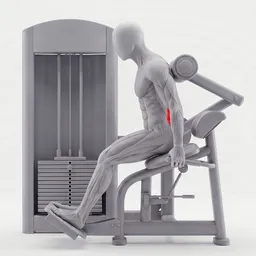
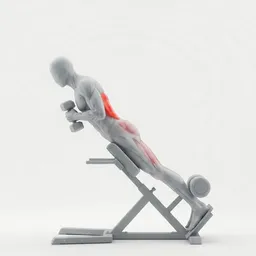
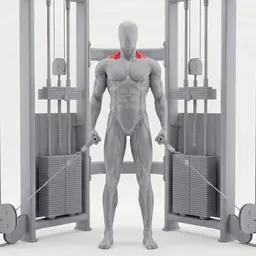
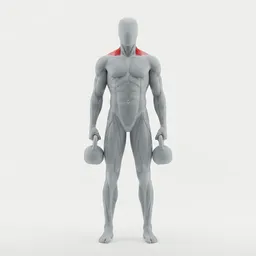
Same muscles, other equipment. Handy when your machine is taken.

Track it in Gymaroo
Log your sets, see your last weight next to every set, and watch the Barbell Rack Pull climb. Free on iPhone and Android.