


Dumbbell Rear Delt Fly
A bent-over reverse fly with dumbbells — the classic rear-delt and upper-back isolation in any shoulder program.
- Main muscle
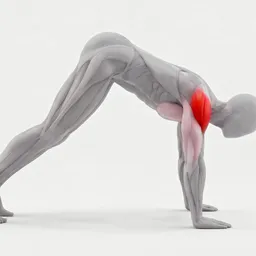
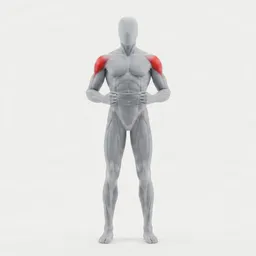
- Rear delts
- Also works
- Upper back
- What you need
- Dumbbell
- Level
- Beginner
The dumbbell rear delt fly is the standing bent-over version of the reverse fly. Hinging at the hips and opening the arms wide loads the rear delts and the muscles between the shoulder blades, building the back-of-shoulder mass that balances out the front-delt work everyone already gets from pressing.
How to do it
- 1Stand tall with a dumbbell in each hand, then hinge at the hips until the torso is inclined about 45 degrees above the floor.
- 2Let the arms hang straight down beneath the shoulders, palms facing each other, with a slight bend in the elbows.
- 3Brace the core, set a flat back, and lock the slight elbow bend in place for the rest of the set.
- 4Open the arms out to the sides in a wide arc, leading with the elbows toward the ceiling.
- 5Squeeze the rear delts and the middle of the back together at the top of the lift, pausing briefly.
- 6Lower the dumbbells under control over 2 to 3 seconds back to the hanging start position.
Common mistakes
- Standing too upright, which turns the lift into a half lateral raise and misses the rear delts.
- Pulling the dumbbells back like a row, swapping rear-delt isolation for mid-back rowing work.
- Shrugging the shoulders at the top, which trades rear-delt work for trap engagement.
- Rounding the lower back at the hinge, which loads the spine instead of the working muscles.
Why do it
- Builds the rear delts for balanced shoulder development.
- Strengthens the muscles between the shoulder blades for better posture.
- Counters the forward-shoulder pull from heavy pressing volume.
Similar exercises
Same muscles, other equipment. Handy when your machine is taken.

Track it in Gymaroo
Log your sets, see your last weight next to every set, and watch the Dumbbell Rear Delt Fly climb. Free on iPhone and Android.