


Indoor Cycling (Spin Bike)
Seated riding on a weighted-flywheel spin bike, the most programmable low-impact cardio pattern in a gym.
- Main muscle
- Cardio
- Also works
- QuadsGastrocnemiusGlute maxHamstringsSoleus
- What you need
- MachineDone for time
- Level
- Beginner
A spin bike fixes the body in one position and lets resistance do the programming. Muscle activity measured on an upright stationary bike is led by the lateral gastrocnemius, rectus femoris and gluteus medius, and across eight lower-limb muscles the quadriceps group responds most to changes in how the pedals are driven. Trunk and hip activity sits close to what a treadmill produces at the same low to moderate intensity, so a bike substitutes for other machines when impact has to stay near zero.
How to do it
- 1Set the saddle level with the top of your hip bone while standing beside the bike.
- 2Adjust the handlebars so you can reach them with a small bend in the elbows.
- 3Clip or strap in and start pedalling against light resistance.
- 4Keep your hips quiet in the saddle and your shoulders relaxed.
- 5Add resistance until your cadence settles at the effort you are targeting.
- 6Reduce resistance and spin easy for a few minutes before stepping off.
Common mistakes
- Riding with the saddle too low, which crowds the knee and shortens the drive.
- Spinning against almost no resistance, so the flywheel carries the legs round.
- Gripping the bars hard and hunching, which tightens the neck and shoulders.
- Bouncing in the saddle at high cadence instead of controlling the stroke.
Why do it
- Delivers scalable cardio with almost no joint impact.
- Keeps the body in a fixed position, so effort is easy to control and compare.
- Suits beginners and experienced riders on the same machine.
Similar exercises
Same muscles, other equipment. Handy when your machine is taken.
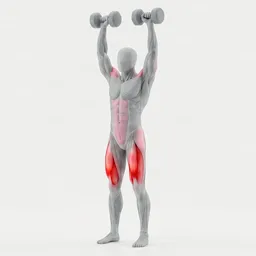
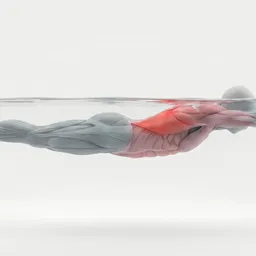
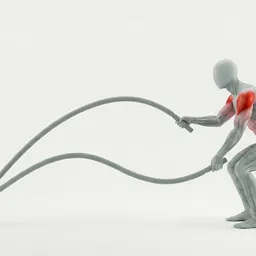
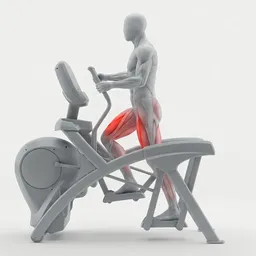

Track it in Gymaroo
Log your sets, see your last weight next to every set, and watch the Indoor Cycling (Spin Bike) climb. Free on iPhone and Android.