


Running Cooldown
An easy jog after hard running, held at a conversational effort to bring heart rate and breathing back down.
- Main muscle
- Cardio
- Also works
- QuadsGlute maxGastrocnemiusHamstringsAbs
- What you need
- BodyweightDone for time
- Level
- Beginner
A running cool-down is the same gait pattern at much lower intensity. Stride shortens and ground contact softens, but the working muscles are unchanged: the vastus group at the knee, the gluteal muscles and iliopsoas at the hip, and soleus and gastrocnemius at the ankle.
How to do it
- 1Finish the hard effort and keep moving instead of stopping, dropping straight into an easy jog.
- 2Shorten your stride and let cadence settle to a rhythm you could hold in conversation.
- 3Keep the torso tall and the shoulders loose, with the arms swinging low and relaxed.
- 4Land under the hips with a quiet foot strike rather than reaching out in front.
- 5Hold the easy pace for several minutes until breathing and heart rate come down.
- 6Finish by walking for a minute or two before you stop moving entirely.
Common mistakes
- Running the cool-down too fast, which keeps the session hard and defeats the purpose of the segment.
- Stopping abruptly after a hard effort, which leaves you standing still with blood pooled in the legs.
- Treating the cool-down as injury prevention, which the evidence does not support and can mask real issues.
- Cutting it to under a minute, which is too short for heart rate and breathing to actually settle.
Why do it
- Speeds the clearance of lactate from the blood compared with stopping and standing still.
- Provides a controlled transition out of hard work without adding meaningful training load.
- Gives a low-effort segment that can be repeated daily without interfering with adaptation.
Similar exercises
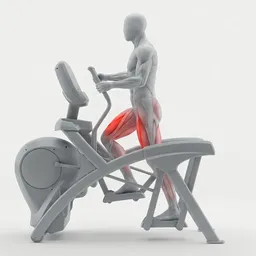
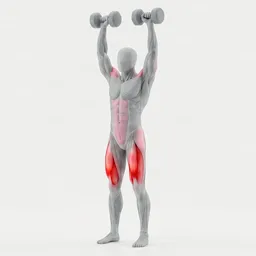
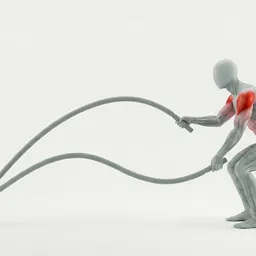
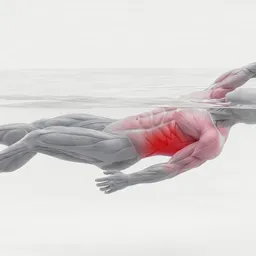
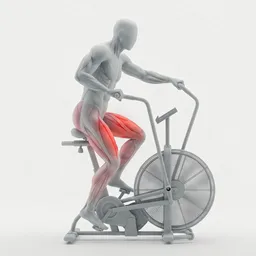
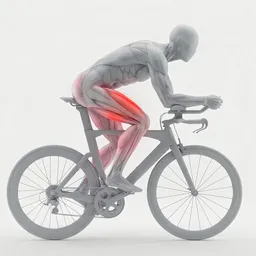
Same muscles, other equipment. Handy when your machine is taken.
Track it in Gymaroo
Log your sets, see your last weight next to every set, and watch the Running Cooldown climb. Free on iPhone and Android.