


Jump Squats
An explosive bodyweight squat-and-jump that builds lower-body power — the staple plyometric for HIIT and conditioning.
- Main muscle
- Glute max
- Also works
- QuadsGastrocnemiusHamstrings
- What you need
- Bodyweight
- Level
- Beginner
The jump squat is the most common lower-body plyometric in any program. You drop into a quick squat, then explode upward into a vertical jump, and absorb the landing back into the squat position. The point isn't depth — it's speed and force production. The glutes and quads do the work, while the calves and core support the launch and landing.
How to do it
- 1Stand with your feet shoulder-width apart and your hands together in front of your chest.
- 2Drop quickly into a quarter to half squat by bending your knees and pushing your hips back.
- 3Bring your hands together in front of your chest as you lower into the squat.
- 4Explode upward by extending the hips, knees, and ankles all at once, sweeping your arms down and slightly behind your body.
- 5Land softly with bent knees and immediately absorb back into the squat position to cushion the impact.
- 6Reset for half a second at the bottom and launch into the next rep with the same explosive intent.
Common mistakes
- Landing with locked-out, straight legs, which slams force through the knees and ankles.
- Squatting too deep before the jump, which kills the spring and slows down the movement.
- Letting the knees cave inward on landing, which strains the knees and shifts work off the glutes.
- Slumping the chest forward at the bottom, which makes the launch weak and stresses the lower back.
Why do it
- Builds explosive lower-body power for sport and athletic performance.
- Drives heart rate up fast for conditioning and fat loss.
- Improves landing mechanics and joint resilience under impact.
Similar exercises
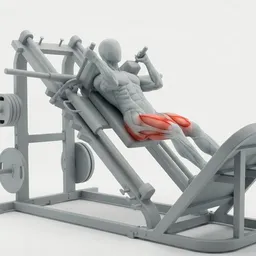
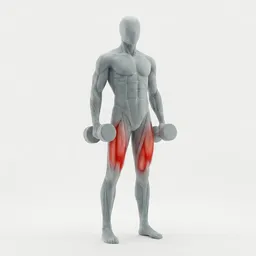
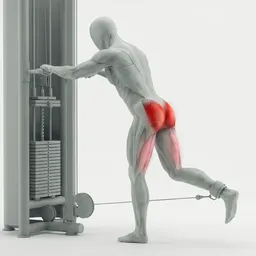
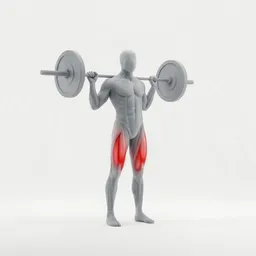
Same muscles, other equipment. Handy when your machine is taken.

Track it in Gymaroo
Log your sets, see your last weight next to every set, and watch the Jump Squats climb. Free on iPhone and Android.